
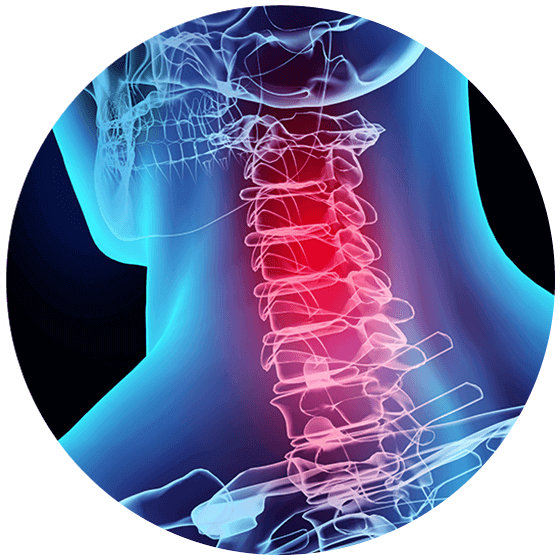
Personal Injury & Auto Accident Chiropractic Care in Sacramento
If you've been injured in a car accident, you need more than someone who can simply provide an adjustment. You need a thorough evaluation, individualized treatment, and clear, honest documentation from someone who understands how injuries can develop and change during recovery.
At The Wellness Spa of Arden, Dr. Jim Donoghue, D.C. provides personal injury and auto accident chiropractic care for patients throughout Sacramento and the surrounding communities. He has practiced in Sacramento's Arden-Arcade area since 1993 and brings more than 35 years of clinical experience, along with advanced postgraduate training in whiplash biomechanics and injury traumatology. His background also includes nearly a decade of experience as a Qualified Medical Evaluator for California's Workers' Compensation system, which shapes how he evaluates and documents injuries today.
Ready to Feel Better?
Call (916) 333-1166 today, or fill out our new patient form below and we'll reach out to confirm your visit. We look forward to helping you move better, recover better, and function better.
The Wellness Spa of Arden • Serving Sacramento Since 1993
Move Better. Recover Better. Function Better.
Curious how we think about pain in general? Read our philosophy →
Why Choose The Wellness Spa of Arden?
What Happens In a Collision
During a collision, force travels through the body in a fraction of a second. Factors such as the direction of impact, how quickly your vehicle's speed changed, your body position, and the way restraint systems interact with the body can all provide useful context when evaluating a collision. These factors provide context, but they do not by themselves determine whether someone was injured. An individual clinical evaluation is still necessary.
The amount of visible vehicle damage does not necessarily tell us how an individual occupant's body responded to the collision. This is why even a collision that looks minor from the outside can still result in injury.
Common patterns include:
- Neck and upper back strain (whiplash)
- Low back irritation
- Shoulder, rib, or joint strain
- Headaches
- Reduced range of motion and stiffness
- Bruising or impact injuries from the vehicle interior
Some symptoms or movement changes may be present before pain is fully recognized.
Types of Collisions
Not all collisions affect the body the same way. As covered above, the direction of impact, body position, and other factors all influence how the body responds and which areas may be affected.

Rear End Collisions
Rear-end collisions are the most common type of auto accident.
The body is pushed forward suddenly while the head may lag behind, placing strain on the neck and upper back.
Common symptoms may include neck stiffness, headaches, upper back pain, low back pain, and reduced range of motion. These symptoms may develop hours or even days after the collision.
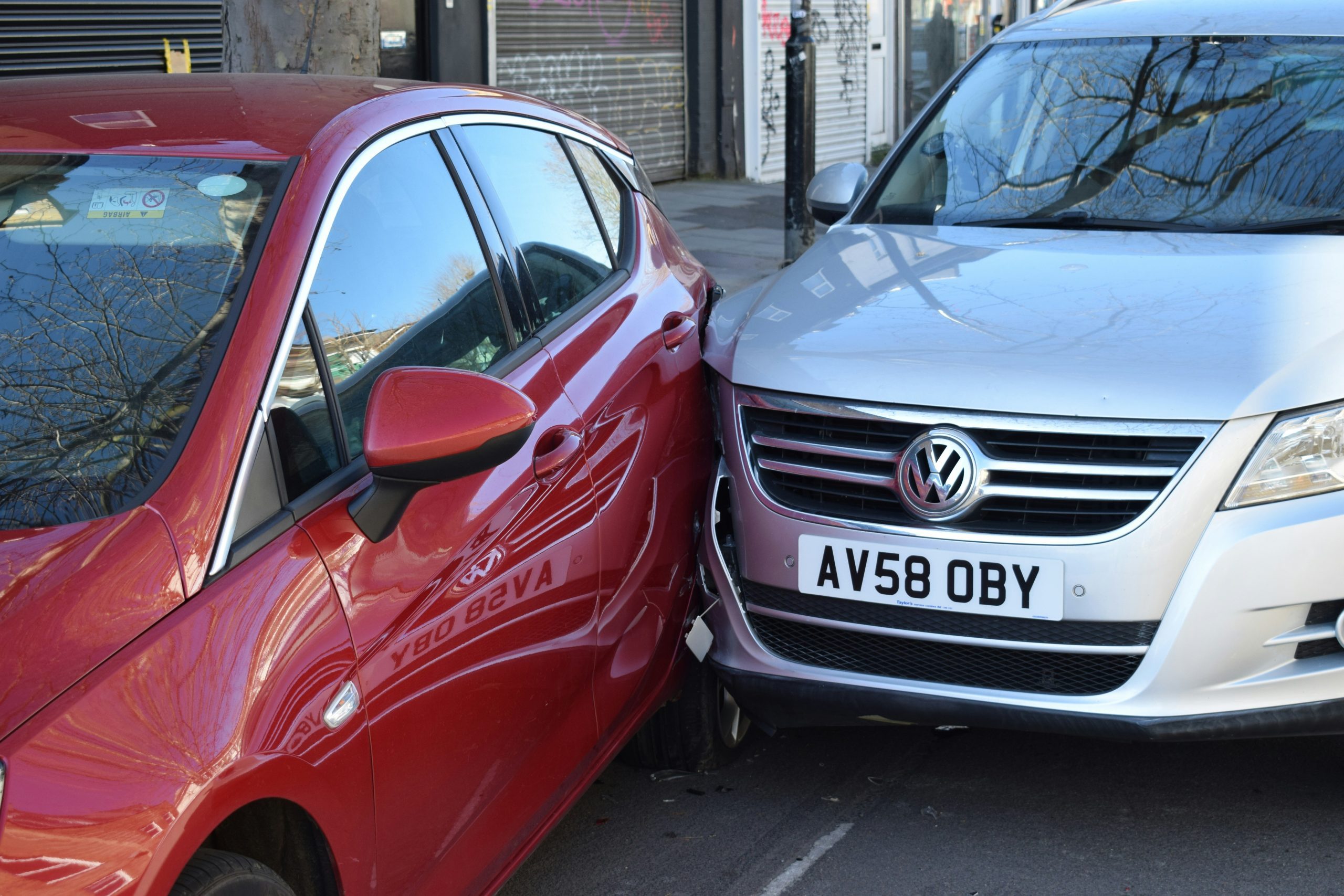
Side-Impact Collisions
In side-impact collisions, force comes from one direction, creating uneven stress through the spine and body.
This can result in twisting or shifting patterns, with symptoms often appearing more on one side of the body, including the neck, shoulder, mid-back, or low back.
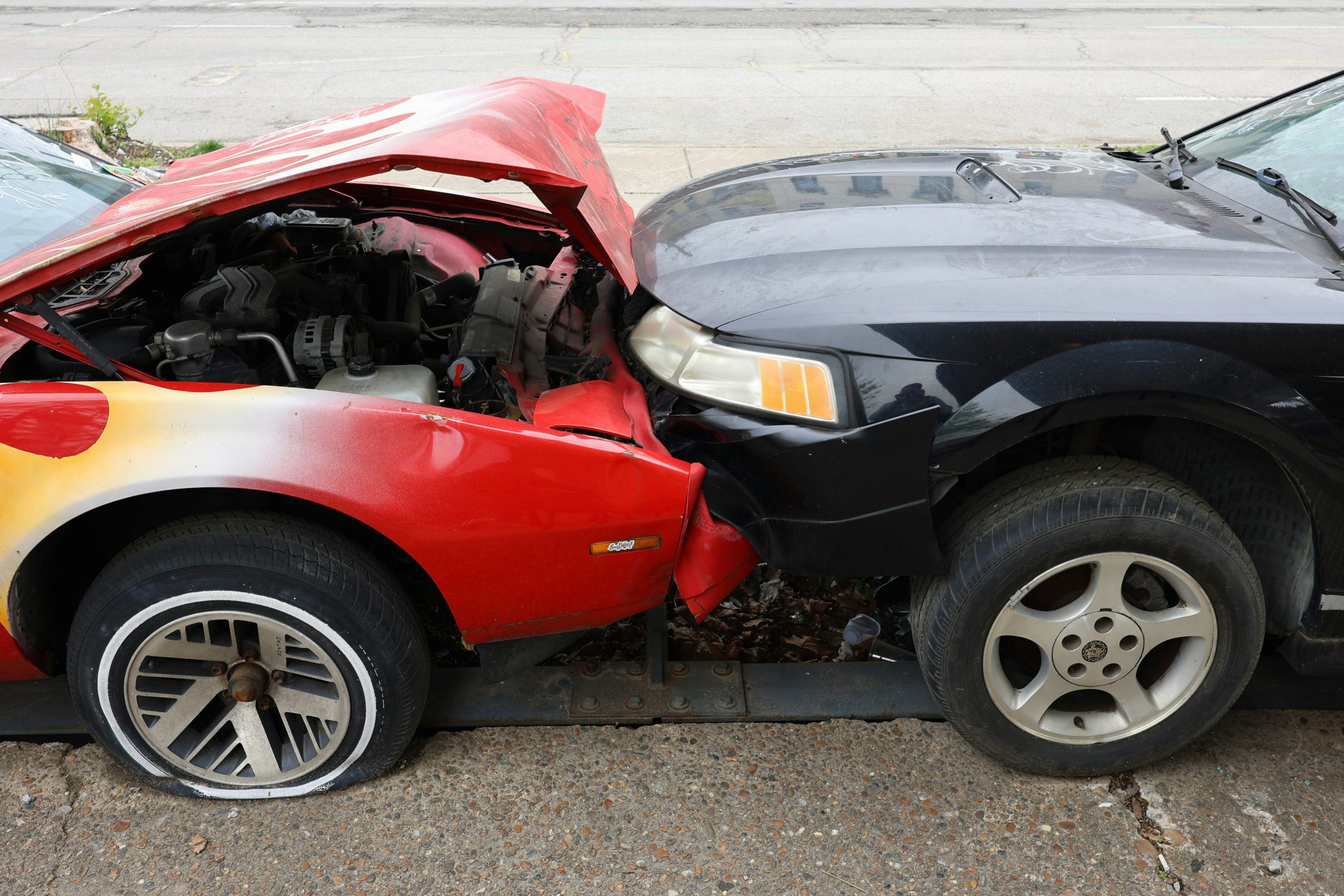
Front Impact Collisions
In front-end collisions, the body often braces suddenly at the moment of impact.
Depending on positioning and restraint systems, this can affect the neck, mid-back, shoulders, or lower back.
Collisions can also affect the shoulders, arms, wrists, hips, knees, and ankles, particularly from bracing against the wheel or dashboard, seatbelt tension, or the body's position at the moment of impact. Regardless of the type of collision, any of these areas are worth mentioning during your evaluation.
It's also common to experience headaches, dizziness, difficulty concentrating, or a feeling of mental fogginess after a collision, even without striking your head directly. These symptoms are worth taking seriously and mentioning right away, as they may need additional evaluation.
Why Symptoms Don't Always Show Up Immediately
In the immediate aftermath of a collision, symptoms may not appear right away. The body's immediate protective and stress responses can affect how symptoms are perceived in the hours following a collision.
The body's natural stress response can make it easier to focus on what just happened rather than notice subtle pain, stiffness, or changes in movement. As that initial response settles, symptoms may become more noticeable.
A helpful way to understand this is to compare it to a bruise.
After an impact, the full response is not always immediate. Soreness, stiffness, or other symptoms can become more noticeable over time.
The same can happen after an auto collision. Symptoms may develop hours or even days later as the body's response evolves.
This is one reason an evaluation can be helpful even if you feel relatively okay immediately after an accident.
What to Expect at Your First Auto Accident Evaluation
We Listen & Examine
We start by understanding what happened, when you first noticed symptoms, what has changed since the collision, and how you're functioning. A thorough hands-on examination may include range-of-motion assessment, orthopedic and neurological testing, palpation, and other appropriate clinical tests.
We Explain What We Find
We explain our findings in plain language, answer your questions, and discuss what they may mean for your recovery.
We Build Your Plan
Treatment is based on your examination findings, symptoms, functional needs, and progress, not a predetermined accident protocol.
We Document & Coordinate
Your examination findings, treatment, and progress are documented accurately. When additional evaluation, imaging, or coordination with another healthcare provider or attorney is appropriate, we help facilitate that communication.
When Should You Be Evaluated?
If you've been involved in an auto accident, especially if you've noticed any pain, stiffness, or other symptoms, it's reasonable to consider an evaluation as soon as possible.
Many people feel relatively normal immediately after an accident, only to notice neck pain, headaches, stiffness, or back pain developing in the days that follow.
An early evaluation can help establish a baseline, identify movement restrictions or other clinical findings, and give you a clearer picture of what may need attention rather than simply waiting to see if things get worse on their own.
If you're not sure whether your situation warrants an evaluation, we're happy to talk it through with you.
A Personal Perspective on Collision Injuries
My understanding of collision injuries isn't purely academic.
Over the years, I've experienced multiple collisions myself, including a significant multi-vehicle rear-end impact and a later front-end impact.
Those experiences taught me things that aren't always obvious in the days immediately following a collision.
Symptoms don't always appear right away. Recovery is rarely as straightforward as most people expect. And just when you think you're getting back to normal, a setback can sometimes put you right back where you started.
That experience gave me a deeper appreciation for the frustration many patients feel and the importance of addressing not only symptoms, but also movement, function, and long-term recovery.
That's one reason I don't dismiss a patient's concerns simply because an accident initially appears minor.
It also led me to pursue advanced postgraduate training in collision injury biomechanics and whiplash through the Spine Research Institute of San Diego. I completed the four-module training program, which included instruction related to collision biomechanics, injury mechanisms, clinical evaluation, and treatment. The program included material and instruction associated with Dr. Arthur Croft, whose work has contributed substantially to the study of collision injury biomechanics and whiplash.
The goal became clearer: not just treat symptoms after a collision, but help patients understand what happened, restore movement more completely, and support recovery.
A Background in Fair, Unbiased Evaluation
That same commitment to understanding what actually happened extends to how I approach documentation. Before becoming a Qualified Medical Evaluator (QME) for the State of California's Workers' Compensation system, I trained under a QME as an associate, conducting evaluations and writing reports. I held QME status myself for roughly a decade. A QME acts as a neutral third party in disputed cases, giving an honest opinion rather than building a case for either side. That experience taught me the importance of separating what a patient reports from what can be objectively established through examination and documentation.
That training in objective evaluation carries into how I approach personal injury and auto accident cases today. I document what I find, thoroughly and honestly, without exaggerating what's there or minimizing what isn't.
Our Approach to Auto Injury Care
Insurance & Auto Accident Claims
Many California auto insurance policies include Medical Payments Coverage (Med Pay), which may help cover treatment expenses related to auto accident injuries.
Coverage varies by policy. If you have questions about how Med Pay may apply to your situation, we can explain what information we need and help you understand the process.
Working With Attorneys
If your case involves an attorney, we provide the same thorough, honest documentation described above, and we're glad to coordinate directly with your attorney's office when appropriate. If you don't have an attorney yet, we're happy to discuss your situation and, when it's a good fit, can point you toward attorneys we know and trust.
Frequently Asked Questions
Can I be evaluated if I don't have much pain yet?
Yes. Many auto accident injuries involve movement restrictions, muscle strain, or joint irritation that may develop before significant pain appears. An early evaluation can help identify these problems and establish a baseline for your recovery.
How soon after an accident should I be seen?
As soon as possible. Many people feel relatively normal immediately after an accident, only to develop stiffness, headaches, or pain later.
Can symptoms appear days after an accident?
Yes. Symptoms such as neck pain, back pain, headaches, and stiffness may develop in the hours or days following a collision, and in some cases may continue to evolve over time depending on the nature of the injury and individual response.
What if my vehicle doesn't look badly damaged?
Vehicle damage does not always reflect the amount of force absorbed by the body. It is possible to experience whiplash, joint irritation, muscle strain, and other injuries even when damage to the vehicle appears minor.
Do you work with attorneys?
Yes. We provide thorough, honest clinical documentation and coordinate with personal injury attorneys we know and trust. Having previously served as a Qualified Medical Evaluator, documentation and fairness are something I take seriously on every case. If you don't have an attorney yet, we're happy to point you toward one, and to discuss your situation before care begins.
What is Med Pay coverage?
Medical Payments Coverage (Med Pay) is included in many California auto insurance policies and may help cover treatment related to auto accident injuries, regardless of who was at fault. Coverage varies by policy and may apply to more situations than many people realize.
What happens during my first evaluation?
Your first visit includes a thorough discussion of what happened, a hands-on examination including orthopedic, neurological, range of motion, and other clinical signs, a clear explanation of what we find so you know exactly what is going on with your body, and a treatment plan built around your specific findings. See "What to Expect at Your First Auto Accident Evaluation" above for the full walkthrough.
Can I see you if I don't have an attorney?
Yes. Many patients come to us without an attorney, and that's completely fine. We're happy to discuss your situation and begin care right away. If it becomes helpful down the road, we can also point you toward attorneys we know and trust.
Do you provide records to my attorney?
Yes. If you're represented, we provide clear, accurate documentation of your evaluation, treatment, and progress, and coordinate directly with your attorney's office when appropriate.
What should I bring to my first visit?
Bring a photo ID, your insurance information, and any paperwork you may have related to the accident, such as a police report or claim number if available. If you don't have all of this yet, don't let it delay your visit. We can work with what you have.
Ready to Schedule an Evaluation?
If you've recently been involved in an auto accident and are unsure whether you should be evaluated, we're happy to answer your questions.
Call (916) 333-1166 to schedule an evaluation or discuss your situation.
Ready to Feel Better?
Call (916) 333-1166 today, or fill out our new patient form below and we'll reach out to confirm your visit. We look forward to helping you move better, recover better, and function better.
We regularly help patients from Sacramento, Arden-Arcade, Carmichael, Fair Oaks, Citrus Heights, Rancho Cordova, Roseville, Rocklin, Elk Grove, East Sacramento, and surrounding communities recover from auto accidents and get back to their daily lives.